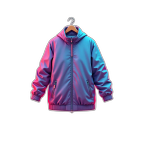
Mastering Laundry: Strategies for Every Wardrobe


Intro
Laundry isn’t just a chore—it’s an art form that requires skill, knowledge, and a touch of creativity. In today’s fast-paced world, understanding the nuances of clothing care is increasingly essential. This guide aims to equip you with practical strategies, detailed techniques, and innovative tools that suit various fabrics and lifestyles.
From maintaining the vibrancy of your favorite silks to ensuring your denims withstand the test of time, this comprehensive approach goes beyond mere washing. Instead, it explores how to preserve the integrity of your garments while incorporating sustainable practices that are good for both your wardrobe and the planet.
The art of laundry is not just about keeping clothes clean; it’s about enhancing the quality of your wardrobe while also understanding the impact of your choices on the environment. As fashion-conscious individuals, stylists, designers, and retailers can all benefit from a deeper understanding of how optimal laundry practices can elevate the fashion experience. By the end of this guide, you’ll feel more empowered to transform a mundane task into a satisfying ritual that thrives on knowledge.
Current Fashion Trends
Seasonal Must-Haves
As the seasons shift, so too does the landscape of fashion. Wardrobe essentials take on new forms, driven by trends that either echo the past or blaze new trails. Staying abreast of seasonal must-haves means you’ll always have the right pieces to spotlight your style. For instance, Spring and Summer often see the re-emergence of vibrant florals, light fabrics like linen, and breathable materials promoting comfort. On the flip side, Autumn and Winter usher in rich earth tones, heavier textures, and layering opportunities.
The savvy stylist must have a keen eye for these shifts. Understanding what’s in vogue allows for informed decisions when it comes to laundry as well. Treating delicate fabrics like silk or wool with care throughout the seasons keeps them looking fresh, enhancing your overall presentation.
Iconic Styles to Embrace
Some styles remain timeless, transcending the ever-changing trends of the fashion world. Classic pieces like the tailored blazer, the little black dress, or high-quality denim jeans are wardrobe staples. These items can serve as the backbone of any outfit, providing versatility. To maintain their status, proper laundry care is a must.
Consider this: washing jeans inside out, using cold water, and opting for air drying can prolong their lifespan while keeping their shape and color intact. Not only will you be upholding these iconic styles, but you’ll also be extending their shelf life, creating a sustainable wardrobe.
Style Tips and Tricks
Mixing and Matching Outfits
Possessing a keen sense for mixing and matching can help you create new looks without constantly purchasing new items. Understanding color theory and fabric texture plays into the equation of building unique outfits. A crisp white shirt, for instance, pairs beautifully with both denim for a casual brunch or tailored trousers for a professional setting. The options are nearly limitless when you harness creativity and knowledge about the pieces in your wardrobe.
Care and Maintenance of Clothing
If you want to preserve the longevity and appearance of your garments, understanding the fundamentals of clothing care is non-negotiable. Below are some basic rules to follow:
- Read Labels: Always check the care instructions. Sometimes a hand wash is all that’s needed.
- Separate Colors: Keep whites, colors, and darks separate to avoid unexpected dye transfers.
- Use Quality Detergents: Look for environmentally-friendly detergents that are gentle on fabrics.
- Address Stains Promptly: The quicker you tackle a stain, the easier it is to remove.
"Investing time in laundry care is investing in the longevity of your wardrobe."
By implementing these strategies, not only will your clothing maintain its aesthetic appeal, but your efforts will also result in a positive impact on sustainable practices in the industry.
For more insights on laundry care and fashion trends, feel free to check out resources on Wikipedia and Britannica for a more comprehensive exploration.
Understanding Laundry Basics
Laundry isn't just a mundane chore we endure; it's a vital part of maintaining our attire's aesthetics and hygiene. Understanding the basics of laundry is foundational, especially considering the fabrics we encounter today. This knowledge allows individuals to not only preserve the life of their clothing but also to be more efficient in their cleaning processes.
The Purpose of Laundry
At its core, the purpose of laundry transcends merely removing dirt. It's about extending the lifespan of clothing while ensuring it remains fresh and presentable. Different occasions demand different levels of cleanliness. Think about it—wearing freshly laundered clothes to an important meeting can heighten one's confidence and project professionalism.
Types of Fabrics and Their Care
This leads us to the fabric types, which should guide your laundry approach. No two fabrics share the same characteristics, and understanding these nuances ensures your garments retain their quality through each wash cycle.
Natural Fibers
Natural fibers come from plants and animals, renowned for their breathability and comfort. Cotton, linen, and wool are prime examples. These fibers tend to be quite forgiving in the wash; cotton likes to get wet and doesn't typically require delicate handling. However, they can shrink if washed improperly, particularly with high temperatures.
A key characteristic of natural fibers is their biodegradability, making them a respectable choice for eco-conscious consumers. Yet, they often require more care to avoid wrinkles or mildew, especially in humid conditions. All in all, their softness and ease of wear make them a popular choice for casual and formal attire alike.
Synthetic Fabrics
Moving to synthetic fabrics, which include polyester, nylon, and acrylic, these materials are engineered for durability and resistance to stains. They're famous for their strength, quick-drying properties, and tendency to hold their shape. One would argue that their ease of care is a significant advantage. Many can be machine washed and tend to resist fading and creasing.
However, synthetic fabrics can trap heat and moisture, making them less breathable than their natural counterparts. Also, they can contribute to microplastics in our waterways when laundered, raising concerns around sustainability. For individuals looking for low-maintenance options, synthetic fabrics are appealing, but it’s essential to weigh these environmental factors.
Blends
Finally, blends combine the best qualities of both natural and synthetic fibers. For instance, a cotton-polyester blend combines the softness of cotton with the durability of polyester. This type of fabric tends to be wrinkle-resistant and strong, making it suitable for everyday wear. From a practical standpoint, these fabrics can often be machine washed without worry, allowing for varied applications in one's wardrobe.
However, they sometimes lack the singular feel of pure fibers, not offering the same comfort under certain conditions. Being aware of how blends function can enhance decision-making when purchasing new clothing.
Common Laundry Terminology
Understanding fabrics sets the stage for grasping common laundry lingo. Terms you encounter may seem trivial, but they hold significant meaning in guiding effective laundry practices. Let's break down some of the most important terms.
Detergents
Detergents are the workhorses of any laundry room. They are specially formulated to break down and disperse dirt and stains, while also keeping fabrics fresh. Choosing the right detergent can drastically affect the outcome of your laundry, and the market today is bursting with options. From powder to liquid, the decision often hinges on personal preference and washing habits.
For instance, liquid detergents dissolve more easily in cold water, while powder tends to work better in hard water conditions. Some are designed with sensitive skin in mind, avoiding certain chemicals, while others cater to tough stains. Understanding these elements goes a long way in optimizing your laundry outcomes.
Fabric Softeners
Fabric softeners play a supportive role by enhancing the touch of clothes. They impart a pleasant scent and reduce static cling, making garments feel softer against the skin. However, they may not be suitable for all fabrics—delicates and moisture-wicking materials often don't pair well with them.
Using fabric softeners can contribute to a laundry routine that feels luxurious and cared for, but it’s worth considering allergic reactions or buildup on textiles over time. Using them judiciously can be beneficial. If you are aiming for that fresh laundry scent, fabric softeners can do the trick, but moderation is key.


Stain Removers
Stain removers are another vital component of effective laundry. They specifically target stains that detergent might not completely eliminate. From grease to grass stains, a well-chosen stain remover can save a favorite shirt from an untimely demise.
Many stain removers contain enzymes that break down food-specific stains, giving them an edge over regular detergents. However, it’s important to test these products on a hidden part of the fabric to prevent any adverse reactions. Just remember, the sooner you treat a stain, the better your chances of full removal.
"Proper laundry care is an art that demands both knowledge and practice; every cycle counts!"
With this foundational understanding of laundry basics, you'll be ready to tackle the nuances of effective clothing care, ensuring both your style and sustainability are prioritized.
Sorting Clothes Effectively
Sorting clothes might seem like a mundane task, but it lays the foundation for effective laundry practices. When clothes are sorted properly, you can avoid mishaps like color bleeding and fabric damage. This step ensures that each item gets the appropriate treatment it deserves, preserving its quality and longevity, which is vital for those who care deeply about their wardrobe.
The art of sorting goes beyond just tossing darks in one pile and whites in another. It includes understanding the different types of fabrics and their care needs, as well as comprehending the implications of fabric type on laundry processes. Sorting clothes effectively saves time, protects your investments, and enhances your laundry success.
Color and Fabric Sorting
Dark Vs. Light Clothing
Sorting dark and light clothing is a practice rooted in protecting your garments from potential staining and fading. Dark colors, like navy or black, have a tendency to bleed dye, particularly in the first few washes. Conversely, light clothing can easily show any grayish tint that might result from washing with darks.
A key characteristic of this sorting method is its immediate impact on clothing appearance. Keeping dark and light garments separate not only maintains their respective vibrancy but also helps in preserving the integrity of the fabric. If you've poured money into a stunning white shirt, it's common sense to keep it away from those dark jeans that could ruin it. Therefore, the logic behind color sorting is a proven method—one that has been popular among laundry aficionados for ages.
While this method is beneficial, an interesting feature to note is that seasoned laundress sometimes mixes certain dark fabrics with regular washes if they’re confident they won’t bleed. This method, however, requires a good eye and some experience. But in the early days, sticking to the tried-and-true light vs. dark separation is wise.
Delicates and Heavy Fabrics
Sorting delicates from heavy fabrics is another critical aspect of laundry practices. Delicates, like silk and lace, require gentle treatment and are often best washed on their own or in special bags. Heavy fabrics, such as denim and towels, need a more robust wash cycle to get the dirt and grime out.
The key here is understanding that these fabric types have different needs when it comes to water temperature, cycle speed, and even detergent type. By keeping delicates and heavy fabrics apart, you can ensure each item is cared for without compromising the quality of the others. This is why effective sorting before you hit the wash button is often viewed as an act of respect to the materials you own.
However, mixing these two fabric collections can be tempting, especially when you want to save time or you feel there’s not enough laundry for a full load. The disadvantage here is that heavier items can cause abrasions and tears to delicate fabrics, which is a situation you definitely want to avoid.
Understanding Care Labels
Understanding care labels is essential to master sorting clothes effectively. Care labels provide a framework for knowing how to treat various fabrics—from washing temperatures to drying instructions. Ignoring these instructions can lead to costly mistakes, which nobody wants.
Paying attention to care labels ensures that sorting is done with informed decisions. For instance, if a shirt indicates hand wash only, throwing it in the washing machine with heavier items would not only ruin the shirt but could also compromise the delicate cycle.
Incorporating insights from care labels streamlines your laundry process, making it easier to sort clothes properly. This attention to detail guarantees that your investments in garments don't go to waste and that they remain fresh and vibrant for years to come.
"A stitch in time saves nine"—proper sorting and understanding of labels can save you from laundry disasters.
For more on laundry care and sorting techniques, you can check additional resources at Wikipedia, or explore expert tips at Britannica. You might also find community advice and discussions helpful on Reddit.
By embracing the practice of sorting wisely, you can master the laundry process and ensure your clothing maintains its charm and functionality—making every wear a pleasure.
Choosing the Right Detergent
Selecting the proper detergent plays a crucial role in the laundry process, dictating not only cleanliness but also the longevity and quality of your garments. A detergent's formulation can make a world of difference, especially when catering to diverse fabric types, dealing with stubborn stains, and considering eco-friendly practices. With the right choice, clothes come out not just clean, but vibrant, soft, and in optimal condition.
One has to consider their specific laundry needs, such as the type of fabrics frequently washed and the environmental impact of their choices. Detergents can dramatically affect not just the result of a wash, but the wear and tear on the garments due to its chemical composition. It’s worth diving deeper into the types of detergents available to make an informed choice.
Liquid vs. Powder Detergents
When it comes to detergents, the debate between liquid and powder formats often takes center stage. Liquid detergents are particularly esteemed for their efficiency in cold water. They dissolve easily and penetrate fabrics quickly, leading to better stain removal, especially for oil-based stains. If you happen to be dealing with greasy marks from a spilled pizza or the remnants of a passionate pasta dinner, liquid formulations may just be your best friend.
Conversely, powder detergents boast a robust reputation for being effective against ground-in dirt and clay. They tend to be more cost-effective and have a longer shelf life compared to liquid options, appealing to budget-conscious households and individuals. However, they might leave residue if improperly dissolved or if washing in cold water.
Both forms have their perks, hence, understanding the specific needs of your laundry plays a big part in the decision-making process. If you want to achieve optimum results, experimenting with both types might provide clarity as to what works best in your context.
On a side note, if laundry has become a source of anxiety when it comes to stains, it's a good opportunity to keep a small assortment of both types of detergents handy.
Eco-Friendly Options
In today’s environmentally conscious world, choosing eco-friendly detergents has become more than just a trend; it’s an imperative for many households. These products, often plant-based or made with biodegradable materials, resonate well with a growing concern for sustainability. By opting for these detergents, one not only ensures the cleanliness of their clothes but also minimizes their ecological footprint.
Moreover, some eco-friendly options come without harmful phosphates and sulfates, which can lead to water pollution when washed away. Having said that, many of these brands have undergone rigorous testing to show effective cleaning power comparable to conventional detergents, dispelling the notion that green options don’t pack a punch.
When delving into eco-friendly choices, consider looking for certifications like the EPA’s Safer Choice label, which indicates that a product meets stringent safety and environmental standards.
"Choosing eco-friendly laundry products isn't just a step towards sustainability; it's a lifestyle choice that benefits everyone."
Innovative Laundry Tools
In today’s world, where convenience and efficiency reign supreme, innovative laundry tools have become indispensable for maintaining clothing quality and simplifying the washing process. From technologically advanced washing machines to thoughtful organizational accessories, these tools not only help in cleaning clothes but also allow for a more sustainable approach to laundry, which is essential for both the environment and wardrobe longevity.
Washing Machines: A Comparative Overview
When you step into the realm of washing machines, it’s like entering a world overflowing with options. Each machine comes with its own features, symbols, and settings that can either help or hinder your laundry experience. You’ve got front-loaders that excel in water efficiency and energy consumption. Then there are top-loaders, which many find easier to load and unload but may consume more water. It’s crucial to assess your needs: Do you live alone, or do you have a family with heaps of laundry?
Considerations such as capacity, spin speed, and energy ratings play a huge role in making an informed decision. Some machines offer smart technology, allowing users to control cycles via smartphone apps, paving the way for future tech in household chores. The investment in the right washing machine pays off in durability and cleaning results.
Dryers and Their Alternatives


Equally important in the laundry landscape are dryers. Most people can't imagine life without them, yet alternatives exist that should not be overlooked. Traditional electric dryers are quick and efficient, getting your clothes toasty and dry in a jiffy, but have you thought about the potential costs? Energy consumption is a key factor, leading many to investigate air-drying options, like clotheslines or drying racks.
Heat pump dryers are another option, using less energy while still getting the job done. They’re a solid choice for eco-conscious individuals looking to lower their carbon footprint. It’s all about determining what works best for your lifestyle, whether it’s speed, convenience, or sustainability.
Laundry Organizers and Accessories
Household organization can be the difference between a dreaded chore and a streamlined process. Laundry organizers and accessories bring order to chaos, allowing you to manage your clothing care with an ease that’s delightful to experience.
Drying Racks
Drying racks can be the unsung hero of laundry day. They come in various types: collapsible, foldable, and wall-mounted. Their versatility allows you to air-dry garments without the rough treatment of a dryer, which can be essential for preserving delicate fabrics. As a bonus, drying racks take up little space and can be stored away when not in use, making them a popular choice for those with limited room.
Many models are designed with their assembly in mind, maximizing air circulation to speed up drying time without the added energy costs. This makes them not just a beneficial choice, but a strategic one as well, especially for the environmentally conscious.
Laundry Baskets
Laundry baskets are more than just basic containers; they're an essential part of any laundry regimen. Selecting the right basket can significantly affect your organization. Baskets come in various styles, from collapsible ones that fit snugly in small spaces to those designed with compartments for sorting whites, colors, and delicates from the get-go.
Their sturdy design and portability allow you to gather and transport laundry with ease, streamlining the process. However, it's worth noting that larger baskets can become cumbersome when full, making selection carefully based on personal laundry volume a must.
Detergent Dispensers
Detergent dispensers provide a convenient solution to an often overlooked problem—measuring detergent accurately. Many modern washers come equipped with these built-in dispensers, allowing for precise control over the amount used per load. This not only saves time but also minimizes waste.
A notable feature of detergent dispensers is their capacity to store detergent for multiple loads, thus reducing the chances of under- or over-filling. However, the downside is that if the machine malfunctions, it may lead to excess soap dispensing, which can be a cumbersome mess to clean!
Efficient Laundry Processes
In the fast-paced world we live in, managing laundry efficiently can be a real game-changer. Efficient laundry processes not only save time but also contribute to a more sustainable lifestyle, reducing water and energy usage. This section dives into the intricacies of developing a laundry routine that maximizes effectiveness while preserving the longevity of clothing.
Creating a Laundry Schedule
A laundry schedule can make all the difference in keeping your household running smoothly. Imagine a world where clean clothes are always at your fingertips and you're not scrambling at the last minute to do laundry before an important event. By setting specific days and times for laundry, you create a rhythm to your household tasks.
Establishing a regular laundry routine ensures that clothes don’t pile up and overwhelm you. For instance, if you designate Mondays for darks and Thursdays for whites, it keeps the process organized. Consider splitting loads based on family members’ preferences or types of clothing, aligning with your daily life. With technology at our fingertips, calendar apps can send reminders so you never forget.
Moreover, timing matters. Aim to do laundry during non-peak hours when electricity rates might be lower. This can shave a few dollars off your utility bill, making it a smarter choice financially. In the long run, a simple schedule allows you to keep your wardrobe fresh without the stress of last-minute laundry chaos.
Common Mistakes and How to Avoid Them
Even experienced laundry-doers can slip up. Recognizing common pitfalls helps maintain an efficient flow in your laundry routine.
Overloading the Machine
One of the biggest mistakes made in laundry is overloading the machine. Jamming too many clothes into a single load seems like an obvious way to save time. However, this chaotic method often results in subpar cleaning outcomes. When a machine is overloaded, water and detergent have less room to circulate and clean clothes effectively.
This practice can lead to clothes coming out dirty or, worse, damaged. An overloaded washer might cause excessive strain on the motor, which can shorten its lifespan and lead to costly repairs. Instead, it’s far wiser to divide large loads into smaller, more manageable ones. This not only ensures a thorough wash but also maintains the integrity of the fabrics. Trust me—your clothes will thank you in the long run.
Using Too Much Detergent
Another frequent misstep is the use of too much detergent. Many people believe that more soap equals cleaner clothes. Unfortunately, this misconception does more harm than good. Excess detergent can lead to residue buildup on fabrics, making them feel stiff and less fresh.
It's key to read the detergent label and follow the recommended amounts based on the load size. For instance, if your washer is high-efficiency, you typically need only a fraction of the detergent used in traditional machines. A balanced approach helps clothes maintain their softness and colors while also keeping your washing machine in optimal condition.
Efficient laundry processes hinge on understanding these nuances. With a bit of planning, recognizing errors, and maintaining a steady schedule, anyone can turn laundry from a chore into a well-oiled machine.
"Efficiency is doing better what is already being done." - Peter Drucker
For more in-depth information on laundry techniques and tips, consider checking out Britannica - Laundry Practices to enrich your understanding.
Stain Removal Strategies
Stains are often the bane of any clothing care routine. They can diminish the appearance of your treasured garments and sometimes even render them unwearable. In this section, we embrace the importance of mastery over stain removal strategies, allowing readers to regain control over their wardrobes. Knowing how to tackle different stains effectively can save not only your favorite outfits but also your hard-earned money.
Identifying Different Stains
Understanding the type of stain you're dealing with is the first step to effective removal. Not all stains are created equal; some are relatively simple to remove, while others can instill dread. It is crucial to differentiate between oil-based stains and water-soluble stains, as each requires a unique approach for cleaning.
Oil-Based Stains
Oil-based stains, like those from cooking oils, grease, or cosmetics, are known for their resilience. These stains may seem at first glance to be deeply ingrained, but identifying them is essential for applying the right stain removal technique. The key characteristic of oil-based stains is their ability to repel water, making traditional washing methods less effective.
In this article, understanding how to treat oil-based stains can save garments from the trap of permanent blemishes. A unique feature of oil stains is their composition, which often requires the use of solvents or special detergents designed to penetrate oily substances.
"Act quickly, as the longer these stains sit, the tougher they become!"
Additionally, while oil stains can be pesky, their removal can often be achieved with tools that are easily found at home, making them a manageable concern. However, using a product not specifically designed for oil, or combining it with the wrong method, could lead to a bigger mess or fabric damage.
Water-Soluble Stains
Water-soluble stains, on the other hand, include common culprits like coffee, tea, or juice. Their primary characteristic is their ability to dissolve in water, which makes them generally easier to tackle compared to their oil-based counterparts. In terms of contributions to our overall topic, these stains highlight the importance of quick action; rinsing fabric under cold water usually does wonders.
One unique feature of water-soluble stains is that they often respond well to household items—like baking soda or white vinegar—which can often be readily available. This makes them a very approachable challenge in your laundry routine. However, there’s a caveat: it's important to remember that not every stain will come out easily. Some might require a second look or further treatment.
Effective Techniques and Products


Having identified the stains, the next step is to evaluate effective techniques and the various products that can aid in the removal process. It's essential to employ methods that will not only address the issue at hand but also protect the fabric in question.
- Pre-treatment Solutions: Look for solutions that indicate stain-fighting abilities, particularly those that cater specifically to oil or water stains.
- Home Remedies: Sometimes, natural solutions can be surprisingly effective. A mix of baking soda and water can do wonders for tough stains.
- Commercial Stain Removers: Brands like OxiClean or Vanish have products tailored for specific stains, often incorporating enzymes aimed at breaking down stubborn marks.
Understanding stain types and having a toolkit of effective methods and products ensures that you’re never left helpless in a sticky situation. One stain may seem problematic today, but with the right strategies, even the hardest to love garments can be saved.
Sustainability in Laundry Practices
In our current age of environmental consciousness, integrating sustainability into laundry practices has become more crucial than ever. The laundry process is often seen as a mundane chore, yet it has a profound impact on resource consumption and ecological footprints. Adopting sustainable practices not only conserves energy and water but also reduces harmful emissions and waste in our ecosystem.
The benefits of sustainability in laundry extend beyond personal virtue. They resonate with a greater responsibility towards our planet. By considering how we wash, dry, and care for our clothes, we can minimize water use and energy consumption significantly.
Being mindful about sustainability allows individuals and businesses, particularly in the fashion industry, to contribute positively to ongoing environmental efforts. As we face climate challenges, every small shift—like making more conscious laundry decisions—can lead to significant impacts.
Water and Energy Conservation Techniques
Water and energy conservation in laundry practices involves several strategies that can easily be woven into daily routines. Implementing these techniques not only lowers household bills but also aligns with eco-friendly principles.
- Wash Full Loads: Always aim to wash full loads rather than multiple smaller ones. Doing so maximizes water and energy efficiency.
- Cold Water Washes: Many detergents are formulated to work well in cold water. These settings drastically cut down on energy consumption compared to hot washes.
- Shorter Cycles: For lightly soiled clothes, opt for shorter washing cycles. This not only saves energy but also prolongs the life of the garments.
- Air-Drying: Whenever possible, hang clothes to dry instead of using a dryer. This technique can save a significant amount of energy. Consider investing in a clothesline or drying rack, especially during the summer months.
"Every drop counts; the less water we waste, the more we save for ourselves and future generations."
- Use Energy-Efficient Appliances: Look for washing machines and dryers that have high energy efficiency ratings. They may have a higher upfront cost but will save you money in the long run.
Overall, incorporating these water and energy-saving techniques into your laundry routine can have a substantial impact on your overall carbon footprint.
Choosing Eco-Friendly Products
Selecting eco-friendly products plays a significant role in promoting sustainability in laundry practices. With a myriad of choices available, it can sometimes feel like finding a needle in a haystack. However, understanding what defines 'eco-friendly' can ease this process.
Key Factors to Consider When Choosing Eco-Friendly Products:
- Biodegradable Ingredients: Look for detergents that break down naturally without harmful effects on the environment. Check labels for terms like "plant-based" or "biodegradable."
- Fewer Chemicals: Opt for products with fewer synthetic chemicals. These substances can pollute water and harm aquatic life when washed down the drain.
- Packaging Matters: Eco-friendly products often come in sustainable packaging. Containers made from recycled material or ones that are recyclable themselves contribute less waste.
- Concentration Levels: Choose concentrated formulas, which require less packaging and transportation energy. Just a little goes a long way, saving resources overall.
- Cruelty-Free Production: Support brands that do not test on animals. Many eco-conscious brands take this ethical stance, aligning environmental care with compassion towards living beings.
Incorporating eco-friendly products into your laundry routine isn’t just a trend; it reflects a commitment to environmental stewardship. By making informed purchasing decisions, you can contribute to a cleaner and healthier world while keeping your wardrobe fresh and well-maintained.
Maintaining Wardrobe Quality
In the realm of laundry, maintaining wardrobe quality is no small feat. With the frenzy of modern living, clothes can easily slip into a state of disarray if not cared for properly. This section dives deep into the essential practices for keeping your garments looking sharp and lasting longer. A well-maintained wardrobe not only enhances your personal style but also saves you money in the long run by reducing the need for replacements. Proper care can turn a simple piece into a treasured staple.
Long-Term Storage Tips
When it comes time to store off-season clothes or simply keep your wardrobe organized, understanding how to properly store your garments is vital. First off, ensure that your clothes are clean. Stains can set in over time, making them tougher to remove later on. A few handy tips for long-term storage include:
- Use breathable bags: Plastic can trap moisture and contribute to mildew. Opt for cotton or linen garment bags instead.
- Keep it dry: Moisture is the enemy during storage, so store clothes in a cool, dry area. Adding silica gel packets can be a great help in absorbing excess humidity.
- Fold, don’t hang: Heavy items like sweaters can stretch out when hung for a long time. Folding them prevents deformities and keeps their shape intact.
- Utilize moth repellents: Natural options like cedar blocks or lavender sachets discourage pests without harsh chemicals. This keeps your clothes smelling fresh.
Effective storage ensures that when you reach for your favorite outfit months later, it’s in the same excellent condition as you left it.
Repairing and Refreshing Clothing
Investing time in repairing and refreshing clothing can significantly extend its lifespan. Learning a few basic sewing techniques and refreshing fabric methods allows you to maintain your wardrobe in top shape without relying on stores or tailors.
Basic Sewing Techniques
Basic sewing techniques can do wonders for your wardrobe. Whether it’s sewing on a button or mending a seam, these skills pay off in longevity and sustainability. One key characteristic of basic sewing is its simplicity. Even those without much experience can pick up a needle.
- Why Choose Basic Sewing? It’s cost-effective and empowers individuals to take ownership of their clothing maintenance.
- Unique Features: Basic techniques allow personalization of garments. It can transform a well-loved piece into a one-of-a-kind item.
- Advantages: You save on costly repairs or replacements. Plus, you develop a deeper appreciation for your clothing.
However, a downside may be the initial learning curve. But with practice, many find it a fulfilling and rewarding endeavor.
Refreshing Fabrics
Refreshing fabrics is another vital aspect of maintaining wardrobe quality, breathing new life into tired clothes. The technique generally involves cleaning and revitalizing the fabric’s original texture and color. One of the attractive characteristics of refreshing fabrics is that it doesn't always require elaborate methods.
- Benefits of Refreshing Fabrics: It extends the usable life of garments, making older clothes feel vibrant again. Techniques like steaming, using fabric spray fresheners, or dry cleaning can work wonders.
- Unique Features: Refreshing can often bring back softness and eliminate unpleasant odors without the need for full washes.
- Consideration: Be mindful of fabric types; delicate fabrics may require different attention compared to sturdier ones to avoid damage.
"A little care goes a long way. When you invest in maintaining your wardrobe, you are also investing in your self-expression and confidence."
In this fast-paced world, where trends change by the minute, nurturing your clothing can create a wardrobe that is sustainable, stylish, and uniquely yours.
Future Trends in Laundry Technology
The landscape of laundry is evolving, driven by advancements in technology that streamline processes and enhance the maintenance of garments. As we step into an era where convenience and sustainability are paramount, understanding these emerging trends is essential. Professionals like stylists, fashion designers, and retailers stand to benefit greatly from integrating these technologies into their workflows. Not only do they promise efficiency, but they also align with a growing consumer demand for eco-friendly practices and intuitive solutions. Below, we explore two significant trends: Smart Appliances and Emerging Cleaning Technologies.
Smart Appliances
Smart appliances in the laundry sector are akin to having a personal assistant right in your laundry room. These devices utilize connectivity features, such as Wi-Fi, allowing users to control washing machines and dryers remotely through smartphone applications. This feature enables users to monitor cycles, receive alerts, and even download customized settings for specific fabric types.
The integration of sensors is a major highlight. Modern machines can automatically detect load size, fabric type, and soil level, adjusting settings for optimal performance. This not only saves time but also conserves water and energy. For example, the LG ThinQ washing machine tailors wash cycles based on these parameters, ensuring that clothes are treated with the utmost care while using minimal resources.
Moreover, smart appliances can contribute to predictive maintenance. Users are informed of potential issues before they escalate, reducing the risk of breakdowns. This foresight means less disruption and lower repair costs, which is vital for both commercial and domestic users.
Emerging Cleaning Technologies
As cleaning solutions evolve, there’s a marked shift toward formulations that prioritize efficiency and environmental friendliness. More products are now designed with biodegradable ingredients that effectively combat stains without the harsh chemicals typically associated with conventional detergents. For instance, brands like Seventh Generation focus on plant-based elements, providing a gentler approach to fabric care without sacrificing performance.
Additionally, innovative cleaning technologies such as ultra-sonic cleaning and nanotechnology are gaining traction. Ultra-sonic cleaning uses high-frequency sound waves to create tiny, powerful bubbles that implode in water, facilitating the removal of dirt and stains from fabrics. This method not only cleans deeper but also extends the life of garments by reducing the wear and tear traditional washing methods can cause.
Nanotechnology, on the other hand, enables the development of invisible coatings that repel stains and dirt. Fabrics treated with these solutions can resist spills, allowing for easier maintenance.
"The future of laundry technology rests on blending convenience with sustainability. As innovations continue to surface, they promise to transform the way we approach clothing care, making it both easier and greener."