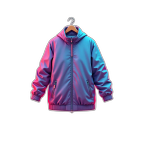
Essential Insights on Using Thermal Waist Trainers


Intro
In today's fast-paced world, where wellness and fashion often intertwine, thermal waist trainers have carved a niche of their own. Once considered solely a fitness accessory, they have evolved into a versatile component of both workout regimens and everyday wear. This guide dives deep into their mechanics, providing clarity on their role in body shaping and fitness enhancement.
Understanding Thermal Waist Trainers
Before we proceed, it's crucial to grasp what thermal waist trainers are and how they function. Designed to increase heat and sweating in the core region, these trainers aim to help users achieve a more sculpted figure. Often made from materials like neoprene or latex, they cling closely to the body, facilitating sweat production during physical activity.
Current Fashion Trends
As thermal waist trainers gain traction, they are also influencing fashion trends. They have become seasonal must-haves for those keen on staying fit while maintaining a sense of style.
Seasonal Must-Haves
With the change of seasons, so does the style of thermal waist trainers. In the cooler months, enthusiasts often opt for higher waisted styles that can be easily worn under layers. The summertime, however, calls for breathable fabrics that let the skin breathe while cooling down, yet still hugging those curves.
Iconic Styles to Embrace
Thermal waist trainers come in various designs, each resonating with different aesthetics. Those who favor a minimalist approach might prefer solid colors like black or gray, which can seamlessly integrate into gym wear. Meanwhile, the audacious may choose bright patterns or even floral designs, showcasing their vibrant personalities.
Ultimately, the choice of a thermal waist trainer doesn’t just hinge on function; it also expresses individuality.
Style Tips and Tricks
Knowing how to blend thermal waist trainers with other wardrobe pieces is half the battle in looking effortlessly chic.
Mixing and Matching Outfits
- Layering: Wearing a thermal waist trainer under a fitted shirt or crop top can create a smooth silhouette.
- Athleisure: Pair a thermal trainer with high-waisted yoga pants for a complete workout ensemble that transitions easily to casual outings.
- Street Style: For a trendy look, wear a thermal waist trainer over a loose-fitting tank top. This not only adds support but showcases the trainer as a statement piece.
Care and Maintenance of Clothing
Proper care of thermal waist trainers ensures their longevity. Here are a few pointers:
- Washing: Hand wash with mild detergent in cold water to preserve elasticity.
- Drying: Avoid tumble drying; hang them to air-dry.
- Storage: Keep them rolled and out of direct sunlight to prevent material breakdown.
"The right fit and care can extend the life of your thermal waist trainer, ensuring you get the most out of your investment in both fitness and style."
By considering both fitness and fashion, thermal waist trainers offer unique advantages that enhance one’s journey toward a healthier lifestyle. As we further unravel the benefits and comparisons with other fitness aids, readers can expect to find a well-rounded perspective on how to effectively incorporate these items into their fitness arsenal.
For more information on waist trainers, consider visiting resources such as Healthline or Mayo Clinic.
For community insights, platforms like Reddit often discuss personal experiences and reviews.
Preamble to Thermal Waist Trainers
Thermal waist trainers have become a notable fixture in the realm of fitness and fashion. Their growing popularity piques interest not only among fitness enthusiasts but also among stylists and retailers looking to tap into consumer trends. These garments promise a blend of body shaping and enhanced sweating during workouts, making them an appealing option for those striving for their ideal silhouette. Understanding thermals waist trainers is crucial in appreciating their role not just as a fashion statement, but as a functional piece in fitness routines.
Beyond aesthetics, the importance of thermal waist trainers lies in their design and functionality. They offer a unique mechanism to elevate body temperature in targeted areas, potentially leading to increased perspiration during various activities. This has drawn attention from many individuals eager to optimize their workout sessions. However, there are considerations to keep in mind. Issues such as material choice and user comfort can significantly affect the efficacy and overall experience with these trainers.
Definition of Thermal Waist Trainers
Thermal waist trainers are specialized garments designed to be worn around the midsection, typically made from moisture-wicking materials that facilitate increased perspiration. These garments work by trapping body heat, which in turn raises the temperature of the core area while exercising.
They are distinguished from traditional shapewear by their focus on creating an environment that promotes sweating rather than merely shaping the body. This sweat-inducing phenomenon is attributed to the unique material, often neoprene, which hugs the body closely while allowing minimal airflow, thus amplifying the heat effect.
Historical Development
The concept of waist training is far from new. Its roots trace back to early corsetry, where garments were meticulously designed to shape the waist and enhance curves, albeit in a more constricting manner. As society evolved, so too did the notions of body image and fitness.
In recent years, thermal waist trainers emerged from this historical lineage—a modern evolution that incorporates advances in fabric technology. The shift began around the early 2000s, when more individuals started focusing on fitness and body-conscious trends. The rise of social media influencers sharing their fitness journeys further propelled thermal waist trainers into mainstream consciousness. As they gained traction, brands began to innovate and improve upon thermal technology, resulting in a range of options catering to diverse body shapes and sizes.
As such, today’s thermal waist trainers not only draw from past conventions but also adapt to contemporary ideals of fitness and body positivity, making them a staple that blurs the lines between functional apparel and fashion.
Mechanics of Thermal Waist Trainers
The mechanics of thermal waist trainers are central to understanding not just how they function, but also why they may or may not be suitable for individuals seeking fitness and shaping solutions. These garments operate on the premise of thermogenesis, an aspect that directly impacts both physical performance and body aesthetics. By generating heat around the midsection, thermal waist trainers encourage sweating, which some believe leads to faster weight loss and improved muscle definition.
This section will dissect how thermal waist trainers work, the materials utilized in their construction, and how these factors contribute to their effectiveness. Understanding these mechanics equips users with the knowledge to make informed choices regarding their fitness routines.
How They Work
The operation of thermal waist trainers revolves around the heat generated during physical activity. When worn snugly around the waist, these trainers trap body heat in that specific area. As the temperature rises, the body begins to sweat more profusely, which can lead to temporary water weight loss. While some individuals experience a tighter waist and a more defined silhouette immediately after workouts, it is important to recognize that this effect may not be long-lasting.
The physiological response does not equate to fat loss. Instead, the focus should be on how these trainers can enhance one’s workout experience by promoting motivation to exercise consistently when they see immediate visual changes post-use. It's this psychological aspect that keeps many people reaching for their thermal waist trainer time after time.
Material Composition
The materials used in thermal waist trainers play a significant role in their functionality, comfort, and overall user experience. Among the various fabrics, neoprene stands out as the most common choice. However, it’s crucial to consider how neoprene compares to other materials for this type of product.


Neoprene vs. Other Fabrics
Neoprene is a synthetic rubber that provides excellent insulation. This key characteristic makes it highly effective at retaining heat, which directly contributes to sweating. The thickness of neoprene varies, allowing for different levels of compression and heat retention. Users often find neoprene to be a popular choice due to its durability and the extent to which it can blend with other fabrics to enhance flexibility.
Alternatives such as cotton or polyester may offer breathability but typically do not generate the same heat levels as neoprene. While breathable options are enticing for comfort, they might fall short on delivering that sought-after thermal effect in the middle of an intense workout session. Thus, while cotton is soft against the skin, it often lacks the heat-retaining properties required for effective thermal training.
Breathability and Comfort
Breathability and comfort are critical considerations when selecting a thermal waist trainer. The best designs perfectly balance heat retention and breathability. This allows the user to train without feeling stifled or excessively sweaty outside the targeted areas. Breathable materials can wick moisture away from the skin, minimizing discomfort during workouts.
An ideal thermal waist trainer will usher in a comfortable experience even when engaged in rigorous exercise. Designs that integrate more breathable zones or mesh panels can help manage body heat more effectively, making for a more pleasant gym experience. However, prioritize reliable hold and support—after all, the aim is to enhance performance, not interrupt it due to discomfort.
"It’s the blend of functionality and comfort that transforms a simple waist trainer into an indispensable workout partner."
Benefits of Using Thermal Waist Trainers
Thermal waist trainers have carved out their niche in the fitness world, appealing to those looking to enhance their bodily aesthetics and performance. Their role extends beyond mere fashion; they are often perceived as a tool for achieving fitness goals. Understanding the benefits that come with using these garments helps individuals to use them effectively and safely.
The importance of exploring the benefits of thermal waist trainers lies in their distinctive attributes. These trainers are designed to stimulate sweat production, promote body shaping, and lend support for improved posture. Their usage can substantially influence the outcomes of a fitness regimen, leading many to consider their integration into everyday wear.
Enhanced Sweat Production
One of the primary benefits of thermal waist trainers is their ability to boost sweat production during exercise. When worn, these trainers create a sauna-like effect, raising core body temperature and speeding up perspiration. This phenomenon can lead to an increase in water weight loss, which some may perceive as an instant result in body fat reduction.
However, it's imperative to understand the nuances behind this benefit. The enhanced sweat production is just that—not a direct catalyst for fat loss. For sustained weight management, one will need to pair this with proper diet and exercise. Some users report feeling invigorated by the amount of sweat caused by the trainers, possibly pushing them to exercise harder or for longer durations during workouts.
"While sweat is often equated to hard work in the gym, true fat loss requires more than just water loss; it necessitates a holistic approach that includes diet and consistent fitness routines."
Another aspect to consider is hydration. As these trainers promote sweating, it's crucial that users maintain adequate hydration levels to prevent dehydration and related health issues. Drinking water should become second nature while using these trainers, ensuring the body remains in peak operating condition.
Body Shaping and Posture Support
Beyond the sweat factor, thermal waist trainers are recognized for their ability to shape the body and provide posture support. This applies primarily to the waist and abdominal regions. The pressure exerted by these trainers can help in achieving an hourglass silhouette, which is appealing both in casual settings and at the gym.
Proper posture is another significant benefit. By flattening the abdominal area and supporting the spine, thermal waist trainers encourage alignment of the body. This support can alleviate the strain on the back during exercise, which is particularly beneficial for individuals prone to discomfort or certain injuries.
In addition to immediate physical effects, users often find that wearing these trainers cultivates a mindfulness towards their body. They become more aware of maintaining a straightened posture throughout the day and during routine activities, ultimately leading to long-term benefits in spinal health.
Effectiveness and Limitations
When discussing thermal waist trainers, it’s vital to understand their effectiveness and limitations, especially if individuals aim to incorporate them into their fitness routines. It's not just about slipping on a waist trainer and hoping for the best; there are specific elements to consider.
Research Findings
Recent studies on thermal waist trainers reveal mixed results regarding their efficacy. On one hand, many enthusiasts report increased sweat production during workouts, which suggests that these garments can enhance calorie burn during physical activities. A study conducted by the Journal of Sports Science & Medicine identified that participants using thermal waist trainers noticed a minor reduction in waist circumference after consistent use over eight weeks while engaging in regular exercise.
Notably, researchers emphasize that while these trainers may create the illusion of a slimmer figure chiefly through sweating, this effect is temporary. As soon as one stops wearing the waist trainer or ceases workouts, any immediate changes could rapidly revert. Sweat loss does not equate to fat loss, a crucial distinction to keep in mind.
Earlier research also indicates that wearing these trainers may contribute to improved posture, supporting the spine during workouts. Users reported feeling more upright, which aids in building essential core strength, essential for physical activities. However, the long-term results in terms of shaping body composition remain less clear.
Common Misconceptions
There’s no shortage of myths surrounding thermal waist trainers. One common misconception is that they are a quick fix for losing weight without much effort. This notion leads many into a false sense of security. Individuals may believe that wearing a waist trainer alone, without any dietary or exercise adjustments, will yield significant weight loss results. This is misleading.
Another fallacy is that these garments can specifically target fat loss in the waist area. Spot reduction—the idea that one can lose fat in one particular area by targeting it—is generally regarded as a myth in fitness science. Fat loss typically occurs uniformly across the body depending on genetics, nutrition, and overall activity level.
Furthermore, some users assume that frequent use of thermal waist trainers means they can skip workouts altogether. Not so fast. Effective body shaping relies on consistent exercise and healthy eating habits alongside any garment used. As one might say,
"You can't out-train a bad diet."
Lastly, it’s essential to recognize that prolonged use of thermal waist trainers can lead to discomfort or even negative impacts on digestion and breathing. Some users might not realize the potential for reduced lung capacity or the risk of gastrointestinal upset due to compression. Opting for moderation when incorporating these trainers into a workout regime proves to be the wiser approach.
Doorway to fitness transformation and body shaping lies not just in wearing a thermal waist trainer but also in understanding its limitations. As we explore further into this guide, the goal remains clear: to provide clarity on these tools, helping users make informed decisions.
Comparing Thermal Waist Trainers with Other Fitness Gear
When discussing thermal waist trainers, it is essential to examine them alongside other fitness gear. This comparison sheds light on how thermal waist trainers can complement or diverge from conventional options like traditional shapewear and compression garments. Each of these items serves different purposes in a fitness routine and can influence a user's experience in distinct ways. By examining their features, benefits, and concerns, potential users can make more informed choices about what fits into their unique fitness and fashion journeys.
Versus Traditional Shapewear
Traditional shapewear is often regarded as the go-to option for achieving an hourglass figure under clothing, predominantly focusing on aesthetic appeal rather than functional performance during workouts. Thermal waist trainers, however, take this concept a step further. They not only provide shape and support but also promote better sweat production during physical activity. This extra heating effect can help users feel more engaged in their workouts, possibly leading them to perceive enhanced results.
One key difference lies in their intended use. While traditional shapewear tends to prioritize appearance, thermal waist trainers are a hybrid. They provide a snug fit, supporting muscle engagement while simultaneously encouraging sweating. This dual-purpose approach may appeal more to those genuinely looking to integrate the garment effectively into their exercise routine.
Moreover, traditional shapewear often employs various materials that may lack breathability, which can become quite uncomfortable during intense workouts. In contrast, most thermal waist trainers are crafted from materials like neoprene, designed to handle perspiration without compromising comfort. This difference can alter the user experience significantly, especially during high-intensity training sessions.


- Key Takeaways:
- Traditional shapewear focuses on aesthetics; thermal waist trainers provide both shape and skincare benefits.
- Thermal waist trainers may be more suitable for active environments due to their breathable materials.
- The dual-functionality of waist trainers can lead to increased motivation during workouts.
Versus Compression Garments
Compression garments have gained immense popularity in the fitness world, largely for their ability to support blood circulation and muscle recovery. However, the effect they hold differs when juxtaposed with thermal waist trainers. The latter is known primarily for encouraging thermal activity, which promotes enhanced sweat and encourages detoxification through perspiration.
In many ways, compression garments aim to reduce muscle vibration and fatigue, particularly during intense exercise. Conversely, the thermal waist trainers increase the range of motion and body heat in targeted areas, which can spark debates about their actual effectiveness for weight loss. It’s noteworthy that while compression gear might focus on performance and recovery, thermal waist trainers engage users differently by accommodating their desire for both results and physical transformation.
Additionally, the wearability of these garments cannot be overlooked. Compression clothing can feel tight across various body sizes, offering a snug fit that some users find uncomfortable over prolonged periods. Thermal waist trainers, due to their unique fabric composition and designs, often provide adjustable options that can cater to a broader audience, promoting a sense of inclusiveness.
- Important Points:
- Compression garments are designed for recovery, while thermal waist trainers enhance sweat production and heat retention.
- Waist trainers may provide a more adaptable fit for a diverse range of users.
- Users should consider their fitness goals when choosing between these two options.
User Experiences and Testimonials
User experiences and testimonials are vital components of understanding thermal waist trainers. These real-life accounts shed light on the practicalities of using such fitness gear, reflecting on both the positive impacts and any hurdles encountered by users. Listening to those who have ventured into the world of thermal waist trainers provides deeper insights that research alone may not capture. Engaging with this community showcases how these trainers have fit (or not fit) into individuals’ daily lives, influencing both their physical routines and their self-image.
Positive User Feedback
Many users of thermal waist trainers have shared encouraging feedback about their experiences. A significant number highlight the noticeable increase in perspiration during workouts. This heightened sweat production is often perceived as a testament to the effectiveness of the product. For instance, one user stated that they found that wearing a thermal waist trainer during cardio helped them feel like they were pushing their limits and achieving their fitness goals faster.
Other benefits frequently mentioned include improved motivation and a boost in confidence. Users report that the snug fit and shaping properties of thermal waist trainers make them feel supported and encouraged even during intense exercise sessions. Fashion-conscious individuals particularly embrace the design, stating that the waist trainer complements their active wear seamlessly.
"I never knew a piece of gear could make me feel this good while I workout!" – Satisfied Customer
Furthermore, anecdotal evidence suggests that some users experience better postpartum body recovery after incorporating thermal waist trainers into their routines. These opinions can serve as a comfy blanket of encouragement for folks who are considering making a purchase.
Challenges Faced by Users
While there are certainly perks to using thermal waist trainers, not every story is wrapped in a bow. Users have reported several challenges that offer a more nuanced perspective. One common concern is discomfort; some individuals mention that the compression can sometimes feel too tight, especially when worn for extended periods. This discomfort can distract from the workout experience, making it imperative to find the right size.
Additionally, another challenge is the potential for dehydration. Since thermal waist trainers promote sweating, users are reminded frequently to stay hydrated. There have been instances of people getting caught up in the heat of their workouts but forgetting to sip on water. This risk underscores the importance of balancing fitness goals with health considerations.
Moreover, some users have expressed frustration when it comes to long-term effectiveness. While initial results may be promising, a few individuals found that the effects diminished over time, leading to feelings of discouragement.
In summary, user testimonials present a tapestry of experiences that highlight both the upsides and downsides of thermal waist trainers. They serve as invaluable resources for potential buyers, offering a firsthand perspective that can guide them in their purchasing decision.
Best Practices for Usage
When it comes to thermal waist trainers, knowing how to make the most of them can significantly enhance your experience and results. Proper usage not only maximizes the benefits but also ensures safety and comfort. Below, we dive into the key practices that can help you utilize thermal waist trainers effectively.
Optimal Wearing Conditions
Finding the right time and conditions to wear a thermal waist trainer is essential. These trainers are best utilized during workout sessions, where increased heat can aid in sweating and calorie burning. Ideally, aim for a comfortable yet fitting size to prevent any discomfort.
Here are some recommendations for optimal wearing conditions:
- Temperature Awareness: Ideally, wear during warm weather or in heated environments, as this can enhance sweat activity.
- Timing Matters: Consider wearing the waist trainer during cardio exercises or strength training sessions. A brisk walk or intense gym session may be its best friend.
- Duration: Start with short periods, gradually increasing as you get accustomed. Many users find 30-minute sessions a good start.
- Complementary Attire: Pairing with breathable fabrics can help in sweat management. Materials like cotton or moisture-wicking fabrics work well.
"Wearing a thermal waist trainer should feel empowering, not constricting. Listen to your body."
Maintenance and Care
To prolong the lifespan of your thermal waist trainer, regular maintenance is key. Taking good care of this garment not only keeps it in prime condition but can also impact hygiene and functionality. Here’s how to keep it fresh and effective:
- Washing Guidelines: Hand wash your waist trainer with mild soap and cold water. Avoid bleach, as it can degrade the fabric. If machine washing, use a delicate cycle in a laundry bag.
- Drying Protocols: Air drying is best. Lay it flat or hang it up in a well-ventilated area, avoiding direct sunlight which can warp the material.
- Storage: When not in use, keep it in a cool, dry place and avoid folding it tightly. This can help maintain its shape over time.
- Regular Inspection: Periodically check for tears or fabric wear. Address any issues early on, as they might worsen with continued use.
By adopting these best practices, users can maximize the effectiveness of thermal waist trainers while ensuring their long-term wearability.
Maintaining attention to both wearing conditions and care practices can lead to a more fulfilling and successful experience as you weave them into any fitness regimen.
Where to Purchase Thermal Waist Trainers
Navigating the market for thermal waist trainers can be quite the maze. Not only does one want to find the right product,
but also at the right price and from a reputable source. This section aims to illuminate the best pathways for purchasing these waist trainers,
providing insight into key aspects worth considering. Whether you prefer the convenience of online shopping or the tactile experience of in-store purchasing,
you’ll want to know where to strike the best deals and what brands to keep an eye on.
Popular Brands
When it comes to thermal waist trainers, various brands have made a name for themselves. Some noteworthy ones include:
- Sweet Sweat: Well-regarded for its unique formula that enhances sweat production, this brand features a range of avant-garde designs.
- Sculpting Cream: This brand combines topical gels with its waist trainers, leading to increased heat and enhanced results.
- NeoSweat: Meticulously designed using neoprene, NeoSweat focuses on body shaping and creating the right thermal environment.
- ShaperMint: This brand advocates for inclusivity with sizes catering to a wide range of body types.
- MyProtein: Known more for supplements, their waist trainers offer robust support suitable for different fitness levels.


Each of these brands brings something unique to the table, from specialized fabrics to customizable designs. The key is to find a brand that suits your specific fitness goals and aesthetic preferences.
Online vs. In-store Shopping
Deciding between online and in-store shopping can be a tough nut to crack. Each option has its own set of advantages:
- Online Shopping:
- In-store Shopping:
- Convenience: You can browse from the comfort of your home, when it suits you, and often find better discounts or deals.
- Variety: Online stores generally offer an extensive range of choices that may not be available in physical locations.
- Reviews: Online platforms allow users to leave feedback, providing insight into product effectiveness.
- Immediate Feedback: Trying a thermal waist trainer on allows you to assess the fit and comfort right away.
- Local Support: Buying locally means helping community businesses and sometimes getting expert advice from sales staff.
- No Shipping Fees: Avoiding shipping costs can be a financial relief, especially for smaller purchases.
Ultimately, your choice between these shopping avenues may depend on personal preference or urgency. Whether you feel more comfortable clicking away from home or trying on items in-person, being informed about the brands and knowing what to look for can enhance your buying experience.
Always remember to check for return policies, especially if you're trying a brand for the first time. Each waist trainer may fit differently, so it’s best to have options if things don’t turn out as expected.
Culmination
Purchasing a thermal waist trainer is not just about choosing a product; it’s about aligning those choices with your fitness journey and personal style. By understanding where to buy and what to look for, you can make a decision that fits not only your body but also your lifestyle.
For more detailed information and reviews, you can check sources such as Wikipedia, Reddit, or local retail sites that cater to fitness gear.
Regulatory and Safety Considerations
Understanding the regulatory and safety aspects of thermal waist trainers is crucial for both consumers and sellers. As these products gain popularity among fitness enthusiasts and fashion aficionados alike, it becomes imperative to ensure that they adhere to safety standards. This isn’t just a matter of checking boxes; it could also mean the difference between success and potential health issues down the line.
FDA Guidelines
The Food and Drug Administration, commonly referred to as the FDA, does not directly regulate thermal waist trainers as medical devices. However, manufacturers are encouraged to follow guidelines aimed at ensuring safety and effectiveness. Here are key takeaways from these guidelines:
- Labeling Requirements: Clear labeling must be provided on all products to inform users about proper use and care. This includes sizes, material composition, and usage instructions. A buyer must not decipher vague terms.
- Safety Assessments: While no pre-market approval is required, businesses are urged to conduct rigorous safety assessments to identify any adverse reactions. Testing for skin irritation, for instance, is essential to prevent allergic reactions.
- Consumer Reports: Keeping abreast of consumer feedback is vital. The FDA encourages manufacturers to monitor reports of injuries or problems, as these can greatly inform design changes and safety improvements.
For those interested in delving deeper into FDA resources, you can find more at FDA Official.
Risks and Precautions
While thermal waist trainers can provide various benefits, there are also risks that users need to be aware of. Here are some points to consider:
- Skin Irritation: Prolonged use or improperly fitted waist trainers can lead to skin discomfort. Choosing the right size is paramount, as a too tight fit can rub against the skin, causing rashes or abrasions.
- Breathing Problems: Wearing a thermal waist trainer too tightly can restrict proper breathing, particularly during workouts. Users should always be able to take deep breaths without discomfort.
- Dehydration Risks: Excessive sweating, while often viewed as beneficial for detoxification, can lead to dehydration. Users should ensure they stay hydrated, especially during workouts when wearing these trainers.
- Expectation Management: It's also essential to manage expectations. Thermal waist trainers aren’t a magical solution for weight loss or body shaping. They should complement a holistic fitness routine rather than replace it.
"Thermal waist trainers can be effective tools, but only when used with proper caution and awareness of their limitations."
In summary, as you explore the world of thermal waist trainers, keeping an eye on regulations and safety considerations is paramount. By being informed, users make better choices while also supporting the development of products that prioritize health and well-being.
Future Trends in Thermal Waist Trainers
The landscape of thermal waist trainers is evolving as we tap into the cutting-edge aspects of fashion and fitness. As awareness increases, so does innovation. This section delves into the future trends shaping thermal waist trainers, emphasizing how design improvements and sustainability initiatives are pivotal for both users and producers.
Innovations in Design
The future of thermal waist trainers hinges significantly on innovative design elements. Manufacturers are increasingly focused on creating trainers that not only elevate aesthetic appeal but also enhance functionality. This means using advanced technology and designs that cater to diverse body types.
- Smart Fabrics: We can expect to see more waist trainers made from smart fabrics that adjust to body temperature and activity. These materials might incorporate moisture-wicking properties and advanced heat-regulating technology. By keeping the wearer comfortable, these innovations can improve the training experience.
- Adjustable Features: New designs will likely incorporate adjustable straps and closures, allowing for a customizable fit that accommodates weight fluctuations and various body shapes. This flexibility ensures that users can find maximum comfort while sweating it out at the gym or running errands, all while maintaining a flattering silhouette.
- Enhanced Breathability: Future designs will focus on ventilation. Manufacturers are more aware of the need for breathability to prevent discomfort during prolonged wear. Trainers that allow for better airflow can mitigate overheating and enhance the overall workout experience, addressing users' feedback on classic designs.
These innovative shifts are vital. The continuous feedback loop between designers, consumers, and fitness professionals is creating products that not only meet but anticipate user needs. These innovations are paving the road for a new era in activewear.
Sustainability Efforts
Sustainability is at the forefront of discussions in many industries today, and thermal waist trainers are no exception. The growing demand for eco-friendly products means that manufacturers are taking more responsibility for their impact on the environment. Here are some sustainability efforts that can be expected:
- Recyclable Materials: Expect future waist trainers to incorporate materials that are either fully recyclable or made from pre-existing fabrics. This not only diminishes waste but also promotes a circular economy where products are reused rather than discarded.
- Ethical Manufacturing: Brands are becoming more transparent about their manufacturing processes, ensuring fair labor practices and environmentally conscious methods. Consumers are looking for brands that align with their personal values, making ethical practices appealing for companies to adopt.
- Eco-Friendly Packaging: The move towards sustainability also covers packaging. Brands are likely to seek biodegradable or minimal packaging solutions, thereby reducing their ecological footprint.
"Sustainable fashion is not a trend, it is a commitment that we all need to embrace to protect the earth for future generations."
Closure
In this comprehensive article, we explored various facets of thermal waist trainers, cutting through the noise to understand their relevance in both fitness and fashion. The conclusion here is not just a summary but a careful reflection on how such trainers can effectively contribute to one’s physique and overall wellness journey.
Summary of Key Points
It's clear that thermal waist trainers serve several practical purposes:
- Enhanced Sweat Production: One of the main features is increasing perspiration during workouts, arguably an essential for many seeking a detoxified body.
- Body Shaping: These trainers offer a method of body contouring, providing support for the back and waist, which can encourage better posture while exercising.
- Material Choice: We discussed the benefits of using neoprene over traditional fabrics, how this material focuses on moisture retention while allowing some level of breathability.
- User Experiences: Real-life feedback paints a mixed picture, where enthusiasm is met sometimes with pragmatic challenges. Finding the right fit could be a game-changer, as discomfort can negate the benefit.
- Safety Concerns: Regulatory guidelines and health precautions were highlighted, showing the importance of informed usage.
Final Thoughts on Adoption
Adopting thermal waist trainers could be seen as a personal choice shaped by individual fitness goals and aesthetics. Some may find these trainers a vital part of their workout gear, sparking motivation while others may take a more cautious approach. It boils down, essentially, to one’s body type, exercise routine, and expected outcomes.
It’s recommended that anyone considering a thermal waist trainer should listen to their body. If it feels restrictive or uncomfortable, it probably won’t yield the desired results. Pay attention to personal comfort while also setting realistic expectations on what wearing such a garment can achieve. As styles and designs continue to evolve, there lies great potential for innovation—encouraging a future where comfort and effectiveness walk hand in hand in the realm of fitness fashion.
In the end, the right thermal waist trainer might just be the boost you need, but like any fitness tool, it’s the user who truly defines its potency.